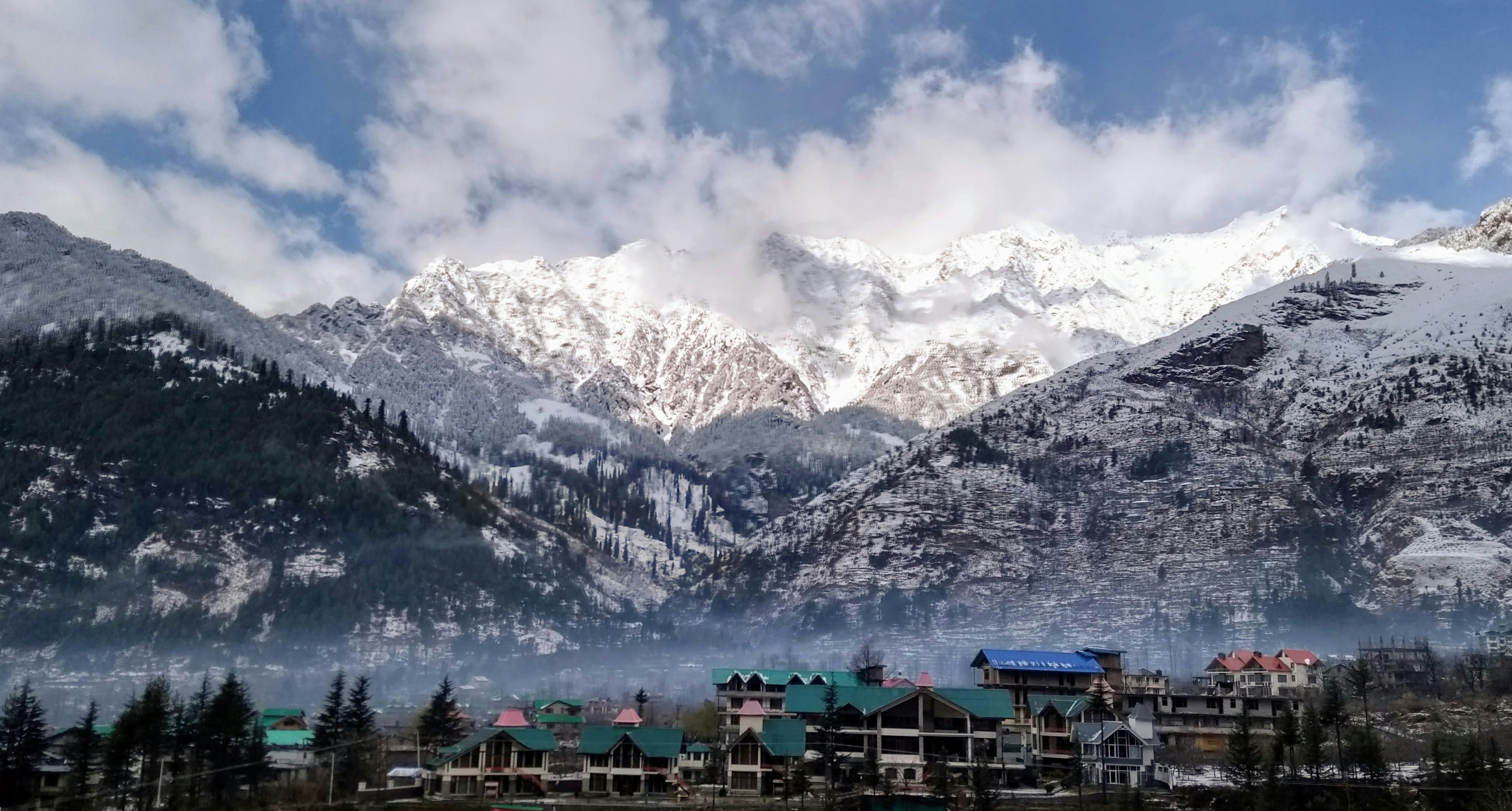
Why Visit Manali?
Tucked at the northern end of the Kullu Valley in Himachal Pradesh, Manali is one of India's most beloved hill stations — and for good reason. At 2,050 metres above sea level, it's a place where the Beas River sings through apple orchards, snow-capped peaks shimmer on the horizon, and the air carries the faint scent of deodar cedar.
Whether you're a first-time visitor chasing your first Himalayan sunrise, a seasoned trekker plotting routes through Rohtang Pass, or a couple seeking a romantic mountain escape, Manali offers something profound. It's one of those rare places that doesn't just change your Instagram feed — it changes you.
🏔️ At a Glance
Best Time to Visit Manali
Manali's charm shifts dramatically with the seasons, and picking the right window can make or break your trip.
The valley turns white. Expect sub-zero temperatures but also magical snowfall, cozy cafes, and far fewer tourists. Roads to Rohtang are closed.
Snow starts melting, fruit trees blossom, and roads gradually reopen. Shoulder season prices and uncrowded sights.
The most popular season. Rohtang Pass opens (permit required), Solang Valley buzzes, and the whole valley is alive. Book accommodation weeks in advance.
Heavy rainfall causes landslides and road closures. Spiti side-trips are off. Best avoided unless you love lush green landscapes and empty guesthouses.
Our pick: Early October is the sweet spot — crisp mountain air, golden foliage, thin crowds, and the occasional early snowfall on the high passes. It's Manali at its most cinematic.
How to Reach Manali
Manali is well-connected by road and air, though the journey itself is part of the experience.
- By Air: The nearest airport is Bhuntar (Kullu–Manali Airport, KUU), about 50 km south. SpiceJet and IndiGo operate daily flights from Delhi. From Bhuntar, take a taxi or HRTC bus to Manali (₹150–₹200 by bus; ₹800–₹1,000 by taxi).
- By Road (Volvo Bus): HPTDC and HRTC run overnight Volvo buses from Delhi's ISBT Kashmiri Gate (₹800–₹1,500, ~12 hours). This is the most popular option — you arrive fresh in the morning to mountain views.
- By Road (Private Cab): A private cab from Delhi costs ₹6,000–₹10,000 depending on vehicle. Great for families. Stop at Chandigarh for breakfast and Bilaspur for lunch.
- By Train + Bus: Take a train to Chandigarh or Pathankot, then connect to a bus/taxi. No direct train to Manali exists.
Top Places to Visit in Manali
Beyond the bustling Mall Road lie some truly spectacular spots — here are the ones you absolutely cannot miss.
Rohtang Pass
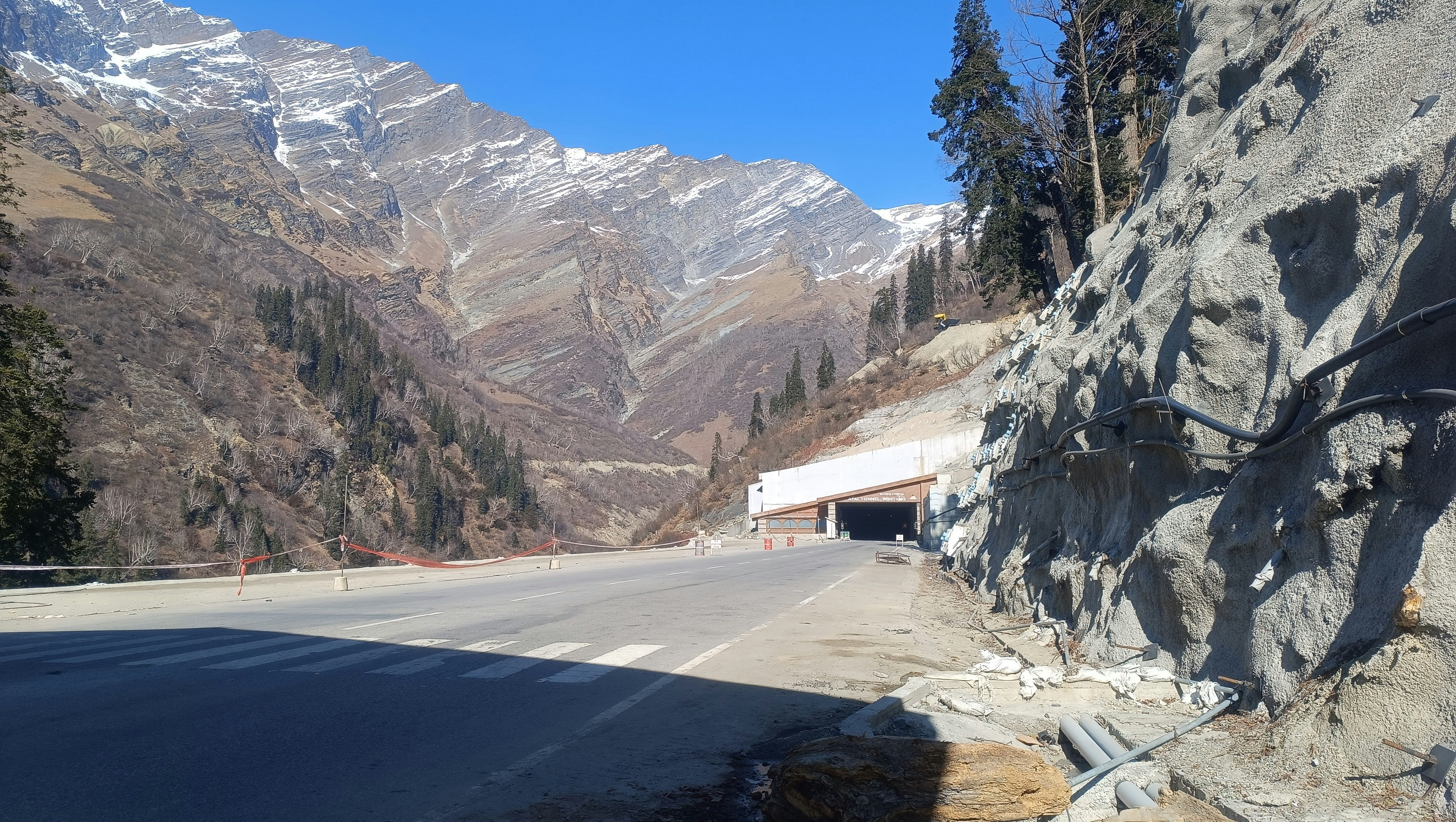
At 3,978 metres, Rohtang Pass is the gateway between the Kullu Valley and the cold deserts of Lahaul-Spiti. It's one of the most dramatic mountain passes accessible by road in India — and the views of cascading glaciers, barren moonscapes, and distant Himalayan peaks are unlike anything else.
The pass is open from late May to early November. A daily permit is required (₹550 for non-AC vehicles), and the Himachal Pradesh government caps visitors at 1,200 vehicles per day. Book your permit online at least 2 days in advance via the HRTC portal.
Solang Valley
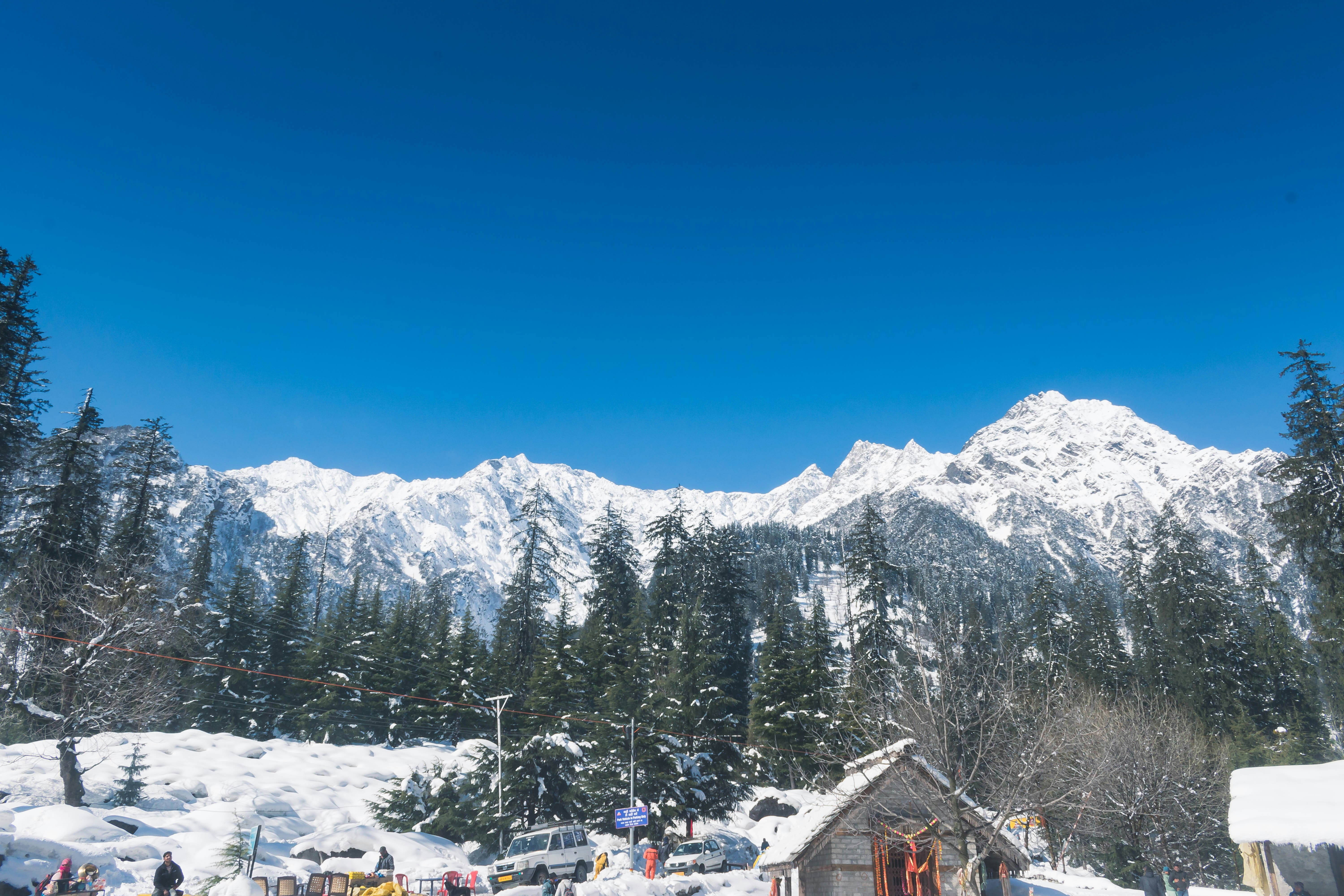
About 14 km north of Manali, Solang Valley (also called Snow Point) is Himachal Pradesh's adventure capital. In winter, it transforms into a ski resort with proper runs and equipment rental. In summer, the valley hosts paragliding, zorbing, ATVing, and horse riding against a backdrop of glaciated peaks.
The Atal Tunnel starts near Solang and connects the valley to Sissu on the Lahaul side — a 9-km tunnel that keeps Rohtang accessible year-round (unlike the Pass itself).
Hadimba Devi Temple
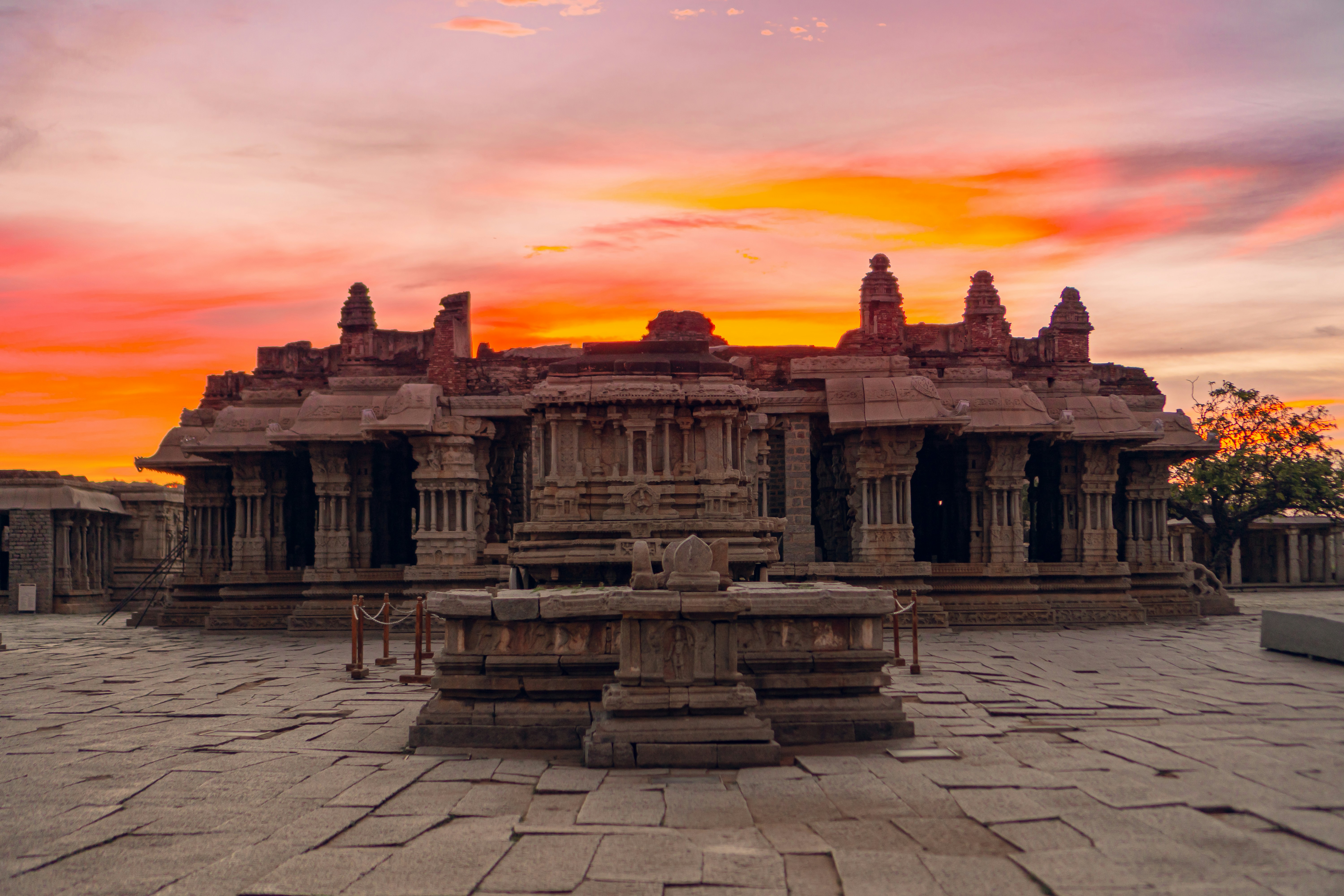
Built in 1553, the Hadimba Devi Temple is one of India's most architecturally distinctive Hindu shrines. Its four-tiered pagoda structure, crafted from cedar wood and slate, rises from a forest of towering deodar trees. The temple is dedicated to Hadimba, wife of the Pandava hero Bhima from the Mahabharata.
The surroundings have been somewhat commercialized with Tibetan yaks for photos and stall vendors, but the temple itself — particularly at dawn or dusk — retains a genuine sacred quality. Visit early morning to experience it in meditative quiet.
Old Manali
Cross the Manalsu River on a rickety bridge and you enter a different world. Old Manali is the bohemian soul of the town — narrow cobblestone lanes, Israeli-run cafes serving falafel and hummus, guesthouses painted in psychedelic murals, and a laid-back traveller culture that hasn't changed much since the 1970s hippie trail.
This is where you'll find the best rooftop cafes (try Dylan's Toasted & Roasted or Drifter's Cafe), quirky boutiques selling Kullu shawls, and a crowd that lingers over board games and mountain views long into the evening.
Vashisht Village & Hot Springs
Just 3 km from Mall Road, the village of Vashisht is home to ancient sulfurous hot springs believed to have healing properties. There are separate public hot spring tanks for men and women (free entry), plus the ornate 4,000-year-old Vashisht Muni Temple nearby.
After a day in the cold mountains, soaking in these geothermal waters is pure bliss. The village also has charming guesthouses, a surprisingly good Israeli-Indo café scene, and easy trails into the surrounding forest.
5-Day Manali Itinerary
This itinerary balances the iconic sights with off-the-beaten-path experiences, and builds in acclimatisation time so altitude doesn't ruin your trip.
Arrival & Mall Road Exploration
- Check in and rest (altitude adjustment)
- Stroll Mall Road in the evening
- Dinner at Drifter's in Old Manali
- Visit Tibetan Market for Thangka shopping
Hadimba Temple, Vashisht & Old Manali
- Morning: Hadimba Devi Temple (arrive early)
- Afternoon: Soak in Vashisht Hot Springs
- Late afternoon: Explore Old Manali lanes
- Evening: Rooftop dinner with Beas River views
Solang Valley Adventures
- Full day at Solang Valley
- Paragliding (₹2,500/person)
- Zorbing or ATV if snow is thin
- Drive through Atal Tunnel to Sissu for quick visit
Rohtang Pass (Permit Required)
- Depart by 6 AM (permit booked in advance)
- Snowfields and glacier views at Rohtang
- Continue to Chandratal Lake if time permits
- Evening back in Manali — try momos at Lazy Dog
Kullu & Departure
- Morning: Naggar Castle (50 km south)
- Kullu Shawl factories at Bhuttico
- Rafting on Beas River near Pirdi
- Evening bus/cab back to Delhi
Where to Stay in Manali
Accommodation in Manali spans budget backpacker dorms to luxury mountain resorts. Here's the best of each tier:
- → Zostel Manali
- → The Hosteller
- → Snow Valley Resorts (dorm)
- → Backpacker hostels in Old Manali
- → Banjara Camps & Retreat
- → Apple Country Resorts
- → Hotel Rohtang Manor
- → Pinewood Hotel
- → Span Resort & Spa
- → Solang Valley Resorts
- → The Himalayan (HPTDC)
- → Snowflake Cottage
What to Eat in Manali
Manali's food scene is a delicious collision of Himachali mountain cuisine, Tibetan flavours, and a surprising international café culture built up over decades of backpacker traffic.
- Siddu: Himachal's signature — steamed wheat bread stuffed with poppy seeds and ghee. Try it at any local dhaba for ₹40–₹60.
- Trout: Fresh river trout from the Beas, typically pan-fried with garlic and herbs. Order it at any riverside restaurant.
- Thukpa & Momos: Tibetan noodle soup and dumplings. The momos at Lazy Dog Lounge are legendary.
- Apple products: The Kullu Valley's apples are famous across India. Try fresh apple juice, apple jam, and apple cider from roadside stalls.
- Café culture: Old Manali's cafes serve everything from shakshuka to banana pancakes to wood-fired pizza. Don't miss Drifter's Café for breakfast.
Budget Breakdown
| Expense | Budget | Mid-Range | Luxury |
|---|---|---|---|
| Accommodation/night | ₹500 | ₹2,500 | ₹8,000 |
| Food/day | ₹400 | ₹800 | ₹2,000 |
| Local transport | ₹200 | ₹600 | ₹1,500 |
| Sightseeing/day | ₹300 | ₹1,000 | ₹2,500 |
| Activities/day | ₹500 | ₹2,000 | ₹5,000 |
| Daily Total | ₹1,900 | ₹6,900 | ₹19,000 |
Essential Travel Tips
- Acclimatise first: Spend day 1 resting and walking slowly. Altitude sickness is real at 2,050m+, especially if you're pushing to Rohtang at 4,000m.
- Book Rohtang permits early: The daily cap fills within hours. Book at rohtangpermits.nic.in at least 2 days ahead.
- Carry cash: ATMs exist but run out of cash during peak season. Carry enough rupees from Chandigarh or Delhi.
- Pack layers: Even in summer, evenings drop to 5–10°C. In winter, it's sub-zero. Thermal layers, a good jacket, and waterproofs are essential.
- Respect the culture: Dress modestly when visiting temples. Remove shoes before entering shrines.
- Don't overschedule: The mountains set the pace. Leave room for spontaneity, weather delays, and simply sitting by a river with a cup of chai.
Continue Exploring
View all guides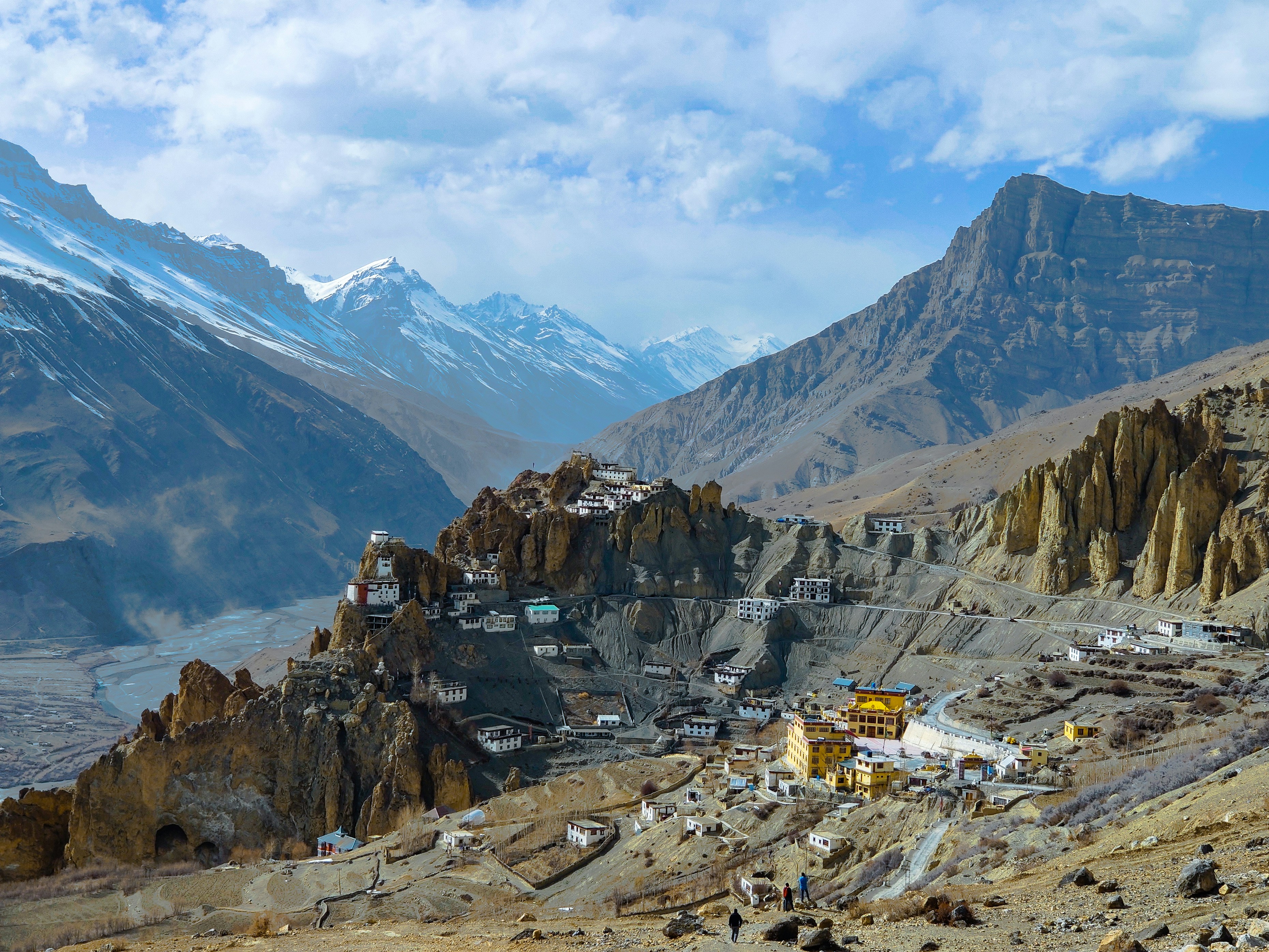 Himachal Pradesh
Spiti Valley: The Complete Travel Guide 2025
A remote high-altitude desert in Himachal Pradesh — monasteries, fossils, and jaw-dropping roads.
 Ladakh
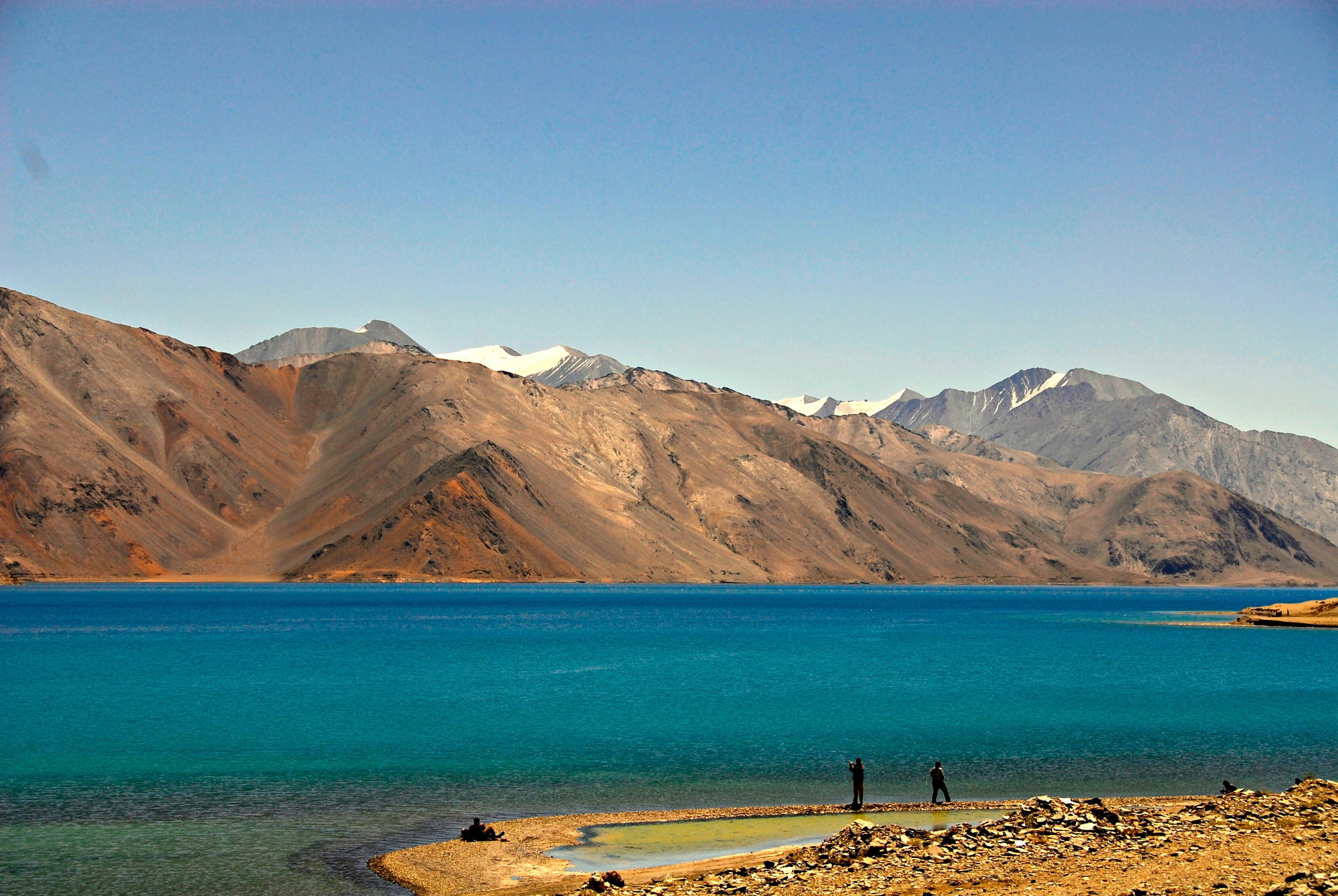
Leh Ladakh Road Trip: Everything You Need to Know
Moonscapes, Buddhist monasteries, and the world's highest motorable passes await on this epic road trip.
 Himachal Pradesh
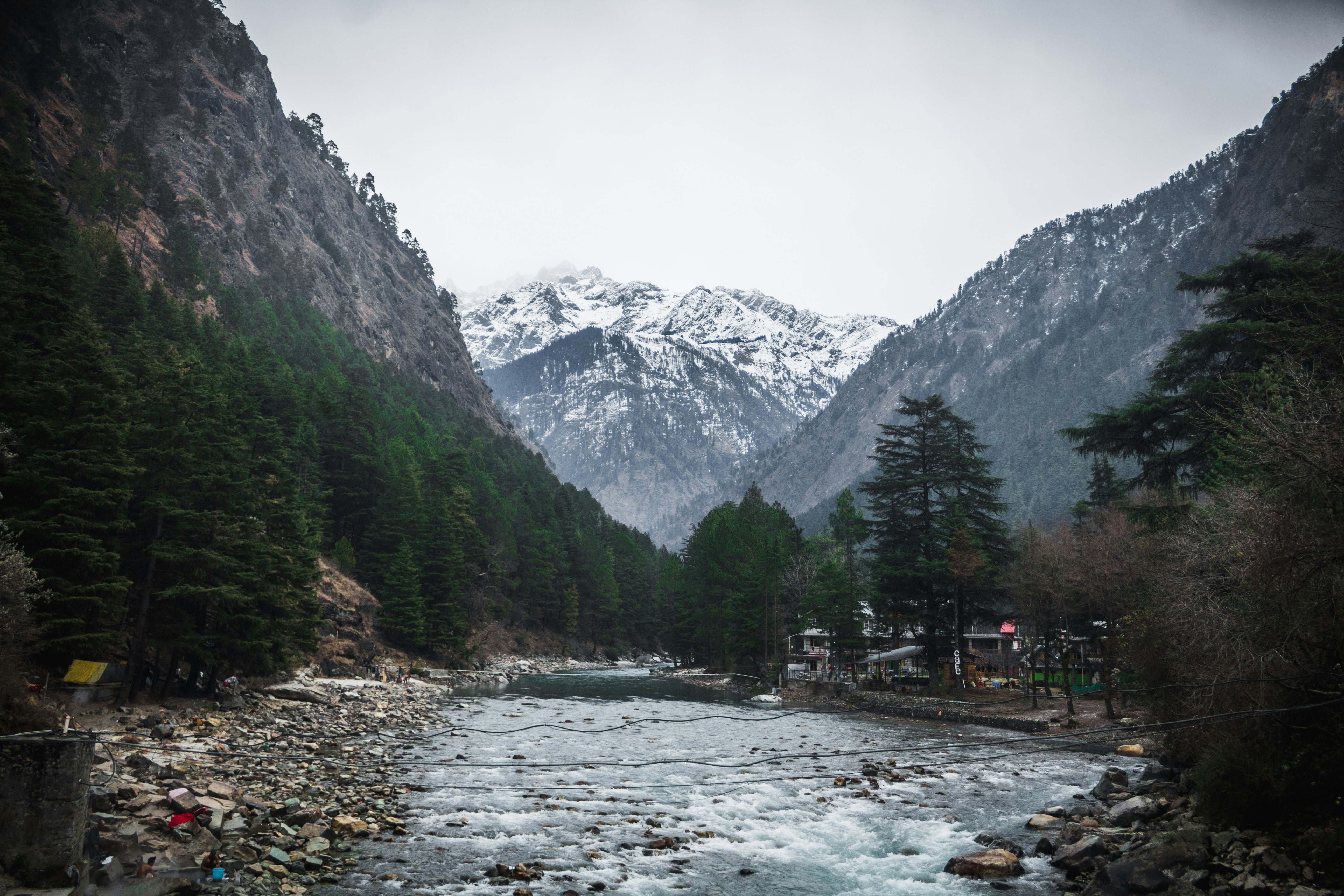
Kasol & Kheerganga: Backpacker's Paradise
Follow the Parvati River trail to Kheerganga hot springs through pine forests and tiny Himalayan villages.
 Uttarakhand
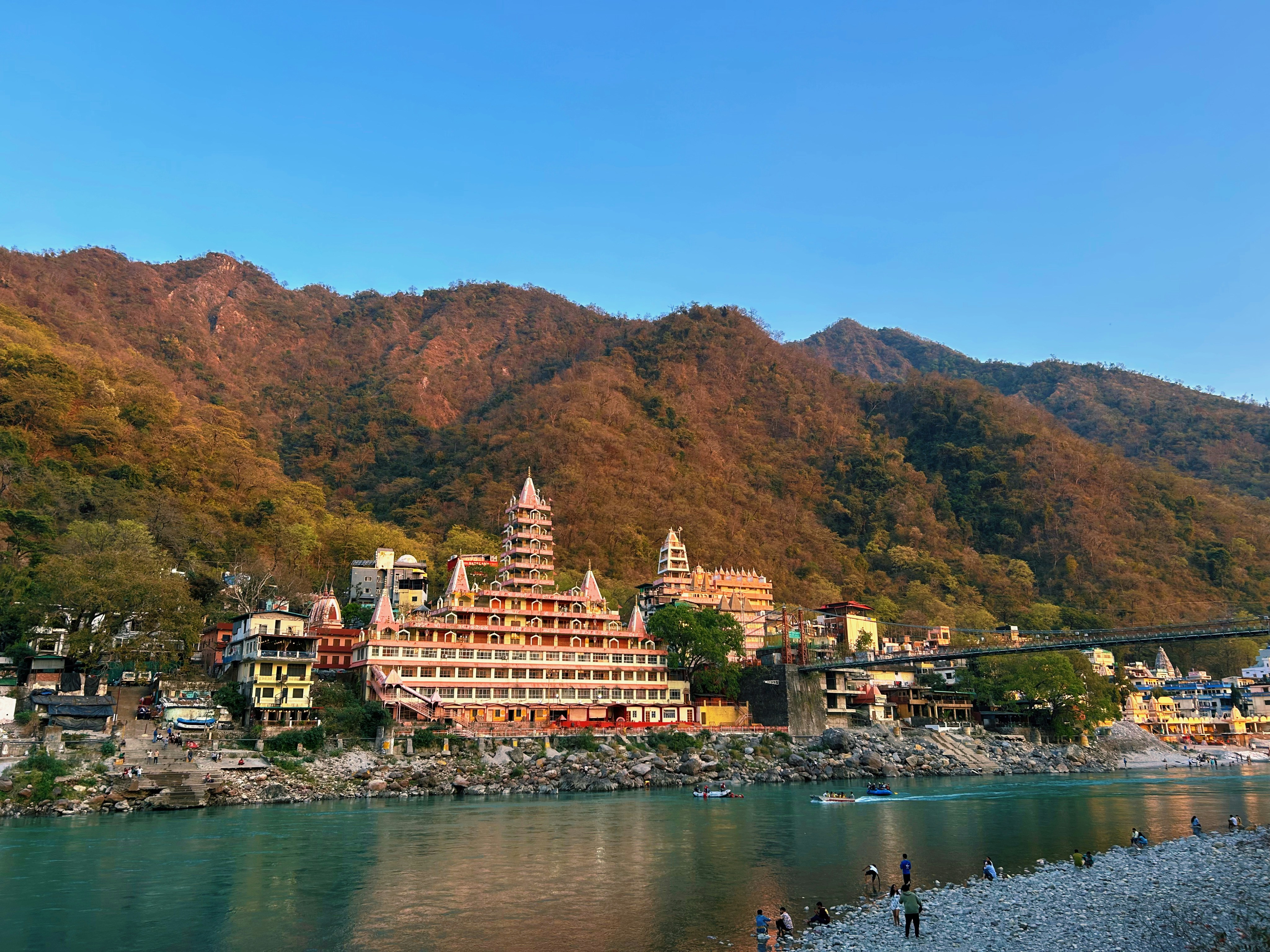
Rishikesh Adventure Guide: Rafting, Yoga & More
The yoga capital of the world also happens to be India's adventure hub — white water rafting, bungee, and beyond.